Showing posts with label magic. Show all posts

Tuesday, July 12, 2022

Mechanics: Errant Spellcasting


Starting Point

Spell: A specific, codified form of magic, somewhat limiting a caster's flexibility but maximizing speed and allowing for much more dramatic effects. Most spells can appear differently when cast, depending on the caster's personality, or can be modified in specific ways while casting.

Mana: The arcane mental energy that is infused into a spell to 'prepare' it in the caster's mind. Only prepared spells can be cast. Most casters also have a limit of mana they can hold at any given time.

Preparing spells: A caster can prepare spells during an hour long ritual, which looks different depending on the individual. During this time, they can prepare any spell they know, so long as they have the mana for it. Additional mana can be invested to enhance the spell, and prepared spells can be discarded during this time to regain their mana. Prepared spells do however count against a caster's maximum mana, but are ready to be cast. When cast, a spell is no longer prepared, and the mana is expended.

Cliffside Ritual
Cliffside Ritual by space gooose

Casting

Turning the idea into a reality. During the casting time, a caster may use either skill casting to alter the spell. This incurs risks, as a low skill roll can weaken their spell. They can also use a class ability instead. Skills usually gain a bonus depending on which kind of arcane focus they are cast through.

Magic Skills

Gesture: complex motions that form the spell more rapidly in reality. Can increase (or decrease!) a spell's casting speed.

Incantation: ethereal words, spoken to draw a spell deeper into reality. Can increase (or decrease!) a spell's range.

Sigil: the linguistic form of a spell, focused upon to draw it more sharply into reality. Can increase (or decrease!) a spell's magnitude as specified in the description.

Arcane Focus

A tool which allows mortals to cast spells, by giving the magic a soulless conduit into reality. The arcane focus can be any non-living item you can lift. It takes a week of dedicated rituals to attune a new arcane focus. Many items will give bonuses if attuned and used as a focus. These take one hand to hold and use, unless otherwise noted.


Magic wand: the brightened end of this otherwise plain rod can grant +1 to Sigil or Gesture rolls, depending on how it is used.

Silver bell: this fine bell's unearthly toll can grant +1 to Gesture or Incantation rolls, depending on how it is used.

Tome of magic: this instructive book can grant +1 to Incantation or Sigil rolls, depending on how it is used.


Runic sword: this blade has runes etched into the blade, which can grant +1 to Sigil rolls, but incurs -1 to Gesture rolls made using it.

Resonant shield: this shield creates a soft echo, which can grant +1 to Incantation rolls, but incurs -1 to Sigil rolls made using it.

Singing Poleaxe: this two handed weapon emits a hum in perfect rhythm, granting +1 to Gesture rolls, but incurring -1 to Incantation rolls made using it.


Crystal ball: this misty orb of semiprecious stone can grant +2 to Gesture or Sigil rolls, depending on how it is used.

Classes

There are four primary spellcasting traditions. Those of the wizard, druid, bard, and sorceress.


Wizard

Arcane Dreams: recover mana through arcane dreams, which require twelve hours of comfortable sleep.

Chromatic Mana: your mana pool is greatened, but split between six colors.. You can only prepare spells that you have enough mana of the correct colors. (white, blue, red, green, yellow, purple)

Spell Study: if you have access to a spell in written form, you can learn it with a week of dedicated study. With a teacher you can understand, you can learn the spell from two days of dedicated teaching.

Dual Casting: instead of using skill casting to modify a spell, you can choose two skills instead, with each roll being much harder.

Ritual
Ritual by Irina Nordsol Kuzmina


Druid

Sacred Groves: recover mana by entering a Sacred Grove, which you can recognize on sight as a point of great natural conflux.

World Mana: you have a decreased mana pool, but also gain one World Mana. World Mana can be used to prepare any one spell at its base level.

Spell Communion: each time you commune with a new wilderness and successfully sleep a night unprotected, you learn a randomly selected spell.

Material Casting: instead of using skill casting, you may sacrifice a material component to boost a spell as you cast it. Material components are always lost upon use, and each spell describes both the type of component, and what may be gained by its sacrifice.

Bard

Enchanting Performances: you may spend all your mana and prepared spells while putting on a public show for a few hours. Roll your performance skill. The higher the roll, the more mana you gain. This class has no mana limit.

Mana Ante: each spell's mana cost is instead a Prepare Penalty for you. You can spend mana to lower the penalty by 1 each (must spend at least 1 mana, and the penalty can never go below 1). Roll 1d6, if you roll higher than the final penalty total, you successfully prepare the spell. If you roll lower, that mana is lost.

Spell Inspiration: you can spend all prepared spells and mana, as well as a week of dedicated practice, to discover one new spell. The more mana spent, the higher the chances of learning a spell. Prepared spells count for 0 mana. Practice with another bard for a large bonus.

Mana Casting: when you cast a spell, instead of using skill casting you may expend mana to boost one of the same parameters. 1 mana per interval, and you may only choose one.

Sorceress

Mystic Souls: when you cast a prepared spell, all mana that were used to prepare it are immediately regained by you. Your mana pool is however, greatly decreased.

Signature Spell: designate one spell as your signature spell. You will always cast it as if you had invested one extra mana than you spent preparing it. It takes three days of dedicated practice to designate a new signature spell.

Spell Absorption: each time a spell is cast on you, you have a chance to learn it. The more damage you take from a spell, the higher the chance.

Blood Casting: expend your enchanted blood instead of using skill casting, allowing you to increase damage or impact at the cost of your Stamina.


Spells

Flaming Orb

Mana cost: 2 red, 1 green.

Casting time: one attack.

Target: visible point within 60 feet.

Effect: a destructive burst deals 3d6 damage to all creatures within 10ft of the target area. Sigil rolls can increase the area of effect by intervals of 5ft.

Material component: crush an ember from a tree that burned naturally, to leave a damaging field behind. The field deals 1d6 rounds to anyone standing in or passing through it, and lasts 3 rounds.

Lightning Bolt

Mana cost: 2 blue, 1 red.

Casting time: one attack.

Target: a visible creature or metal object within 120 feet.

Effect: a destructive bolt strikes the target, then arcs to another fitting target of your choice within 30 feet of the original target. Deals 3d6 damage to each target hit. Sigil rolls can change the number of fitting targets that the bolt will arc to.

Material component: throw a clump of earth that was struck by lightning to arc the spell to a second fitting target within 20 feet of the first.


Commission - Like A... Fox in the Night?
Commission - Like A... Fox in the Night? by Quartervirus


Protection

Mana cost: 1 green, 1 white.

Casting time: one movement.

Target: visible creature or plant within 10 feet.

Effect: restores 1d6 Guard to the target. Sigil rolls can change the amount of Guard recovered.

Material component: break a lock to restore 1d6 Guard to another fitting target.

Invisibility

Mana cost: 3 black, 2 white.

Casting time: one encounter.

Target: up to 3 touched creatures.

Effect: renders the targets nigh undetectable for 1 hour. Fast movement such as sprinting, attacking, or receiving an attack will break the shroud. Sigil rolls can increase the duration by 20 minutes each.

Material component: consume a piece of fish meat that you have never once looked upon, to allow targets to become ethereal whenever they hold still.


Notes: Errant is the working title for my current RPG project. At least, the one I feel comfortable posting about on this blog. It's been a while, but when I thought about it I have a lot to share, so next week look forward to melee combat! Then maybe summoning, which I may have finished... eventually. Believe it or not, summoning is both entirely separate from spellcasting and maybe even MORE fleshed out, which is a lot for me.

Wednesday, September 30, 2020

The Seven Saints

 Siblings who were heroes in their time, each was dedicated to a holy pursuit and exemplified it to an incredible degree. It has been decades since then, and they are considered holy figures. Especially for adventurers or other outsiders to normal society, the saints are an excellent way to pursue faith, along with strong personal virtues and goals to align with.


A depiction of the saints can be identified most easily by a golden body part, differing depending on the saint in question. An image of a woman with chaotic golden lines along her skin however is blasphemy, and is often a sign of great evil.

Yashtas, Saint of Song

Weaver of the saints' many tales, throughout her life she struggled to spread her name without losing her sense of self, or becoming distorted in the minds of the public. Sometimes those who inherited her charge seek only personal fame to the exclusion of all else, and are warned by her teachings about the risks of such behavior. 

Body: tongue

Symbols: purple, crescent moon, snapdragon, quartz, peacock, rapier

Task: grow your reputation, leave memories

Boon: speak a message to any people you can see, which they will surely hear even if whispered amid a storm.


Priestess, by Mahealani Rodrigues

Ishrar, Saint of Roads 

Never satisfied in one place for long, Ishrar saw many lands and tried always to leave any place she visited better than she found it, a difficult feat at times. Her followers are almost all nomads, and oftentimes traders though she mainly lived on the land.

Body: feet

Symbols: orange, cooling wind, daisy, opal, deer, spear

Task: come to a place you’ve never been

Boon: your step is sure, and you will not tire until you next stop walking.

Amarin, Saint of Battle

A mistress of weapons and all manner of fighting styles, she sought power but struggled with an inner rage that often drove her to unwarranted violence. It is thought that later in life she was able to find peace, but to this day many of her followers seek only might and care little for the restraint she tried to uphold.

Body: teeth

Symbols: red, black cloud, carnation, ruby, tiger, lance

Task: defeat a worthy foe in deadly combat

Boon: you can carry one weapon without encumbrance for a week.


The Last Step, by Ignis Bruno

Meshar, Saint of Gardens

By far the longest lived of the saints, some say she still lives even to this day, hidden away deep in a labyrinth of flowers and herbs. As her teachings emphasize survival and health above other virtues, some think her followers to be cowardly. In truth, among them one can find some of the toughest, hardiest people imagineable.

Body: heart

Symbols: brown, gentle rain, sunflower, obsidian, carp, halberd

Task: go a week without injury

Boon: gain immunity to disease as long as you remain unharmed.

Zaraf, Saint of Libraries

Studious and soft-spoken, Zaraf spent so much time learning that she sometimes failed to make use of the knowledge she gained, and tried to hand down teachings to help others with that very task. Her followers are intended to be just as studious, though there is more variety in how and what they may study.

Body: eyes

Symbols: blue, starlight, hydrangea, sapphire, owl, dagger

Task: read a sizeable book

Boon: understand and read all languages for the rest of the day.


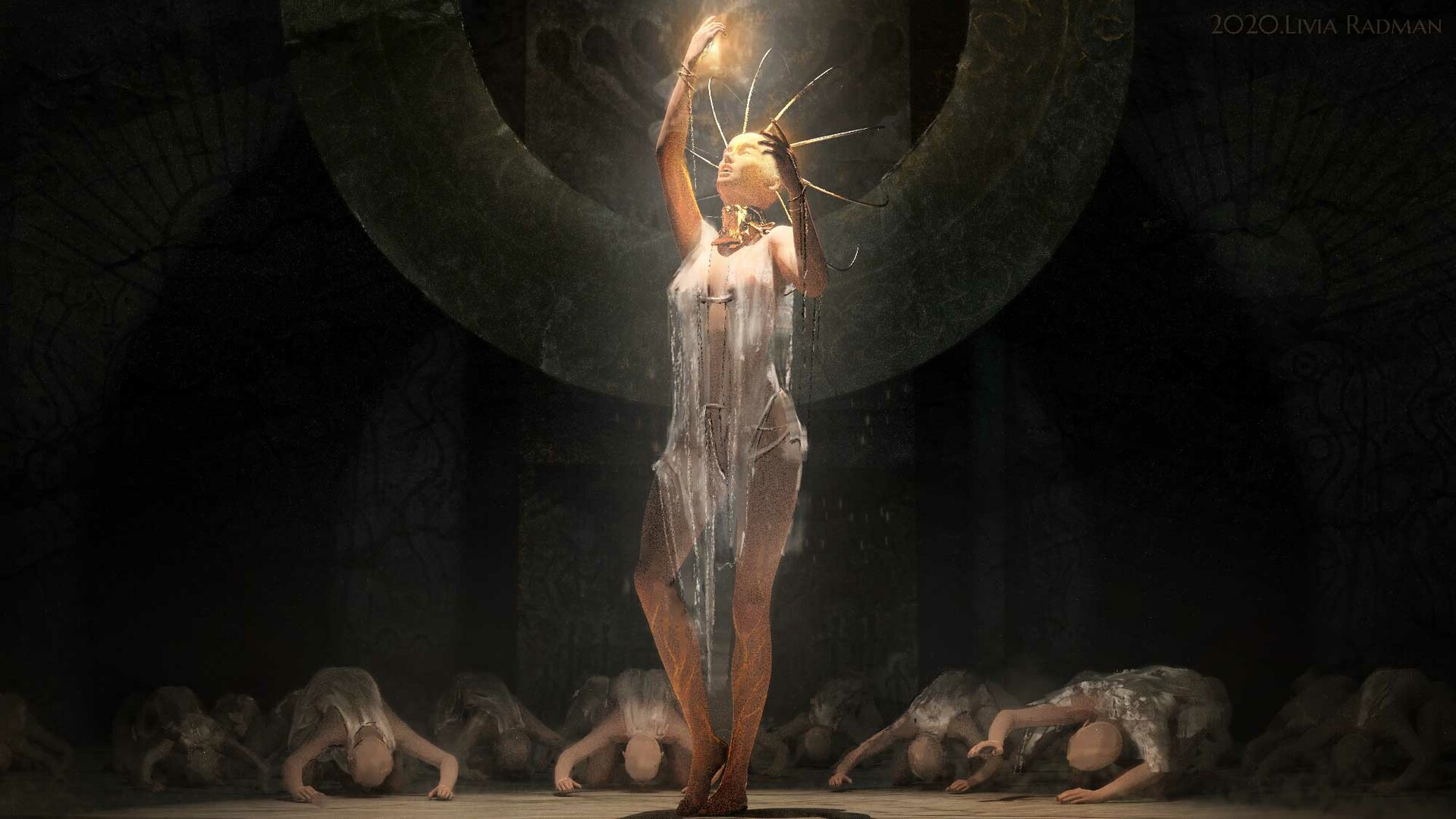
Ritual, by Livia Radman

Sunesh, Saint of Weddings

Lascivious saint, partner and spouse to many, and with nearly as many appearances over the course of their life. Sunesh was known as a generous and lively person, sometimes to a fault. Followers of Sunesh are expected to venerate them in whatever form is personally preferred, as that is how they shared love in life, and the saint's teachings emphasize consent and sensitivity to a partner's (or potential partner's) desires or needs.

Body: hands

Symbols: pink, full moon, rose, emerald, dove, whip

Task: spend a night or day with a lover

Boon: for the rest of the week, you can tell if love is true.

Niket, Saint of Home

Amarin would be the first to tell you that Niket was stronger by far. However, Niket struggled to keep up with her siblings and eventually learned to build, her creations eventually becoming the city of Il Kamiyar, the Great Bridge. Her followers congregate their, but can also be found striking out elsewhere, to spread that industrious spirit.

Body: shoulders

Symbols: green, warm sunlight, orchid, peridot, sparrow, axe

Task: sleep within a building you helped create

Boon: you can lift one object and carry it, so long as you could drag it.


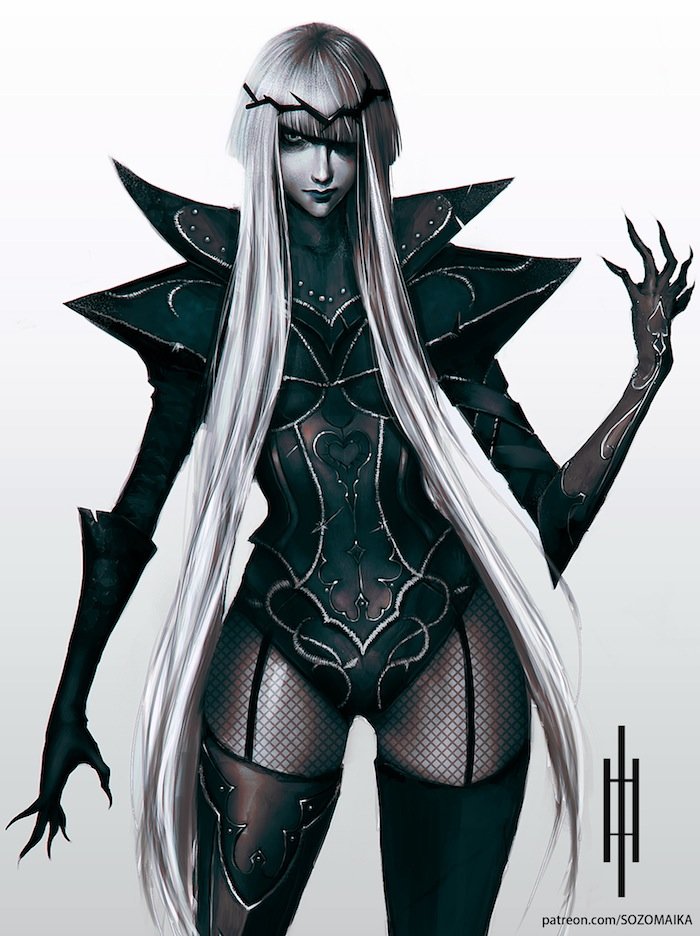
Alexandria the Black Mage, by Maika Sozo

Tevresh, Saint of Blasphemy

Said to have betrayed her siblings, they cast her out and tried to erase her memory. However a memory cannot be so easily suppressed, and may only become more resilient with each attempt to exterminate it. Those scarce teachings that can be found from her time ecourage one to abandon their duties, reject any role or path set out for you and struggle alone if you must.

Body: scars

Symbols: black, new moon, windflower, howlite, moth, broken sword

Task: destroy a shrine, or kill a leader

Boon: the next time you could die, fate may be turned aside.


Notes

I've been trying to come up with ways to engage the player with the setting more, and a huge part of that is religion. Historically religion has always been a very important in life as well as fantasy, but it seems like a large portion of the gaming community (myself included), are atheistic, so that sense of worship and service to a higher power can be... off-putting. It creates a divide between the player and the average person in the game world, their analogue.

Thus I create instead aspirational figures, so that even the most power-gaming edgy anti-theist could start from a point of "oh yeah I want to be cool like that person," and then once the player is engaged with these figures I think it becomes easier for them to shift that engagement toward roleplaying something more spiritual or worshipful. I've been told that D&D also has demi-gods and high priests and what not, but that doesn't really address this rift between the player and the average character in the world, instead making it probably wider by suggesting that we roleplay worshipping something that isn't even a god? It feels strange.

Oh hey, Skerples recently made a few blog posts about saints and gods and all that jazz. Hope they like this (or at least see it).

Friday, September 18, 2020

Villain generator and respectful necromancy

Some assembly required, but this generator will give you all the necessary touchstones to create a weird, non-problematic, memorable villain for your campaign.

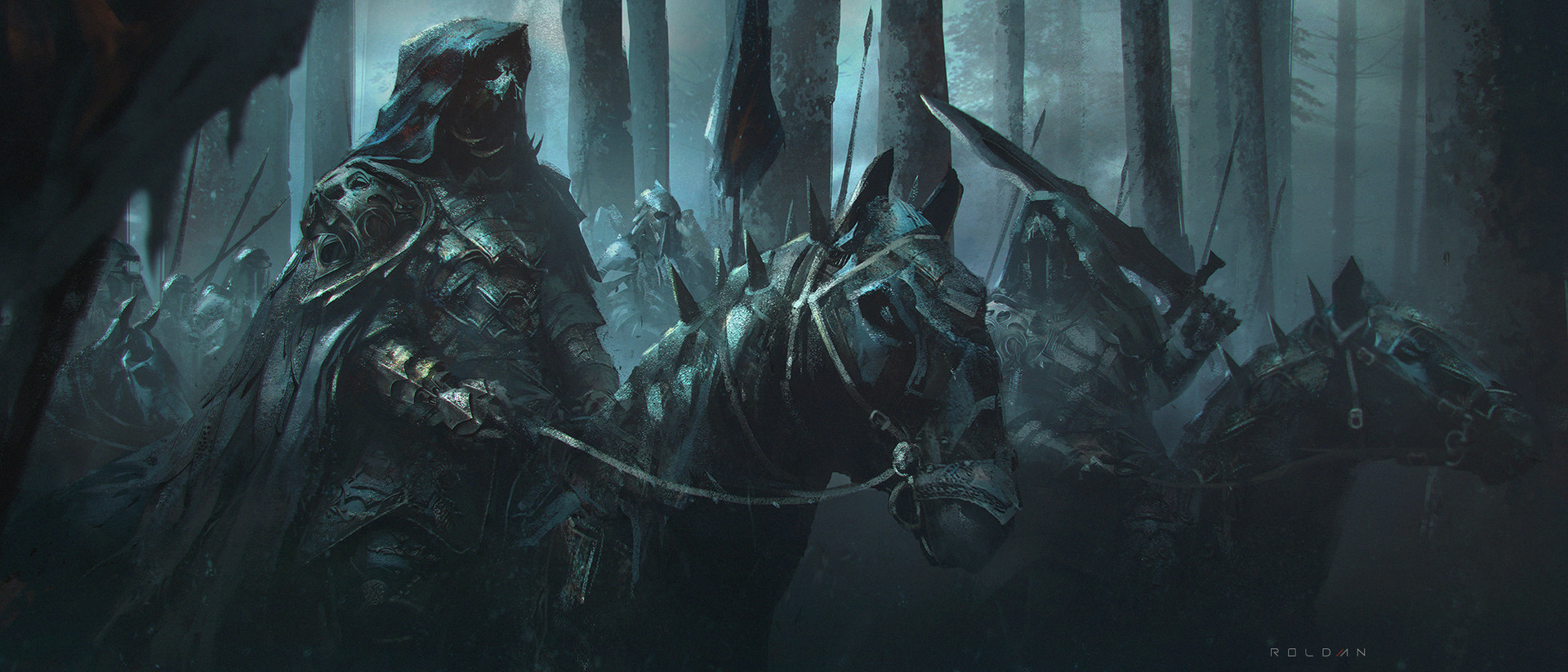
Evil Knights, by Juan Pablo Roldan


Necromancy doesn't have to be evil and reviled. There are respectful ways to commune with the dead, with one's ancestors and forefathers. It's certainly possible to re-frame any necromancy spell in a way that's amicable and honoring to the dead, but these are some examples that are kind of inherently that way already.

Anito x Shaman
Anito x Shaman, by Tuntun Dizon

  1. Speak with dead: you recall the spirit of the dead and ask them questions. Sometimes this is posed as a torturous process, but there's no reason it has to be.
  2. Gentle repose: certainly protective, and infinitely less degrading than embalming. Seriously look into it, don't get embalmed.
  3. Spirit guardians: bring back the great warriors of the past to fight again! Especially if they aren't forced to fight for you, and will only join if you convince them to.
  4. Soothe souls: calm their anger, lessen their pain, allow them to communicate or pass on more easily.
  5. Medium possession: allow the dead to inhabit your body and control your actions for a time, giving them one chance to complete any unfinished business.
  6. Detect dead: especially if it can only sense the undead or those who have no received their proper final rites, to be laid to rest.

Obviously I would encourage other writers to design even undead in a way that's not exploitative or evil, such as making an agreement to benefit the souls of the dead, or giving them temporary life for their own use (such as the possession one). Any practice can be of particular virtue or vice, depending on the attitude it is approached with and the goals held in mind. In Tajira, illusionists are seen as evil, duplicitous, and cowardly for manipulating perception and invading dreams.


Many thanks to Kali, creator of Fight With Feelings for helping me out on the villain generator!

Saturday, August 29, 2020

Fantasy Chainsaws

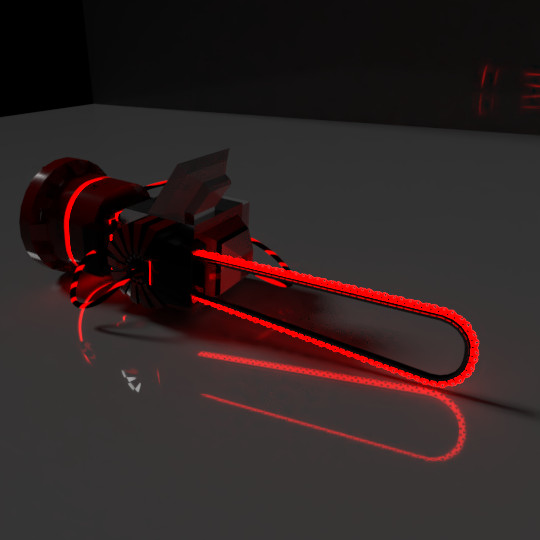
 Bit of a weird project, but if you ever want to include some form of chainsaw in your fantasy games, at least one of these should fit the tone. Maybe that's just me! If you're doing full gonzo, go ahead and roll that wonderful d20.

1. Lotus Petal Saw

Softly shining, pink petals spin along an ornamented bar, conjured by a Blades of the Endless Wheel mantra.

https://pbs.twimg.com/media/EfAiFXWXgAE_ENW?format=jpg&name=large
Exactly this, by me


2. Thornwheel Blade

A great enchanted rose bush, grown by fairies to have a rotary thorned stem.

3. Jaguar Claw Macuahuitl

Empowered by a jaguar spirit, its many obsidian blades command incredible cutting power even when swung like a normal sword.

4. Necrospinner

A spinning weapon of animated bone, using fangs and teeth along the whirling edge.

5. Meatcutter

So named for cutting meat as well as itself being meat. The blade is comprised of sharp, hardened claws, and it spews its own blood when spinning.

6. Crystal Prismus

Enchanted weapon of polished stone and gems. Each tooth is a different kind of gem, and they can create a glinting rainbow of slicing power.

7. Brimstone Spinblade

Spewing hellfire when it spins, the heat of its flames can burn through steel as well as any warhammer punches through.

8. Starlight Spinner

An elven weapon of silver, hammered as fine as eggshells, with a radiant blade that captures the light of the stars.

9. Slimesaw

Somehow when spinning, the goopy edge of this blade cuts much faster than the slime can normally corrode.

10. Classical Sparksaw

Ancient spinning blade crafted of olive wood and bronze, spits blue sparks as it spins. Made by a brilliant inventor centuries ago.

Image
Ancient Bladesaw, from Zelda


11. Trimerian Sawbeetle

The curious horns of this giant beetle can spin to cut through wood or, presumably other Trimerian creatures. They are carefully bound to be used as tools.

12. Winding Sharp-Frost

 Unnaturally hardened frost, spinning and cutting with a fractal edge.

13. Whipsaw

A bladed whip that can be activated to coil in an elongated shape, spinning to cut more effectively, in exchange for shorter reach.

14. Terracotta Blade

A living clay weapon that spins with razor sharp clay shards along a lengthened edge.

15. Runic Stormblade

Constructed of tin and pewter, by wizards. The runes etched into its surface conjure the vortex of a storm into its crackling, whirling edge of deep indigo lightning.

16. Gilded Relic Blade

Built of marble set with gold and finely cut gems, this spinning blade contains a warrior-saint's fighting hand bones, and radiates with divine cutting light.

17. Trimerian Wasps

Angry insects that have been specially bred and trained to fly in a long, rounded formation and devour anything they touch. This was the only formation in which they wouldn't turn back and attack whoever holds their hive.

Lasersaw, by Andrea Sibilla


18. Jade Dragon's Fang

Gifted by a divine being from an unearthly realm, it is surprisingly easy to carry.

19. Spectre's Wrath

 As ghostly mist whirls and spins, the hatred of the dead calls out in a hollow wail.

20. Splitting Organistrum

The powerful tune of this slow instrument projects a small aura of cutting sound near its neck when played properly.


Many of these were inspired with help from Gal Paladin on Discord!

Sunday, June 21, 2020

Shalilas, city of the genie

The trader Veklen knows the route, but will guard this secret. They need help though, taking brightglass through the desert. Kajhar is a dusty land, but not a dead one. Great scorpions and lizards lie under the sand. Afield is the cactus desert, a beautiful but deadly place.


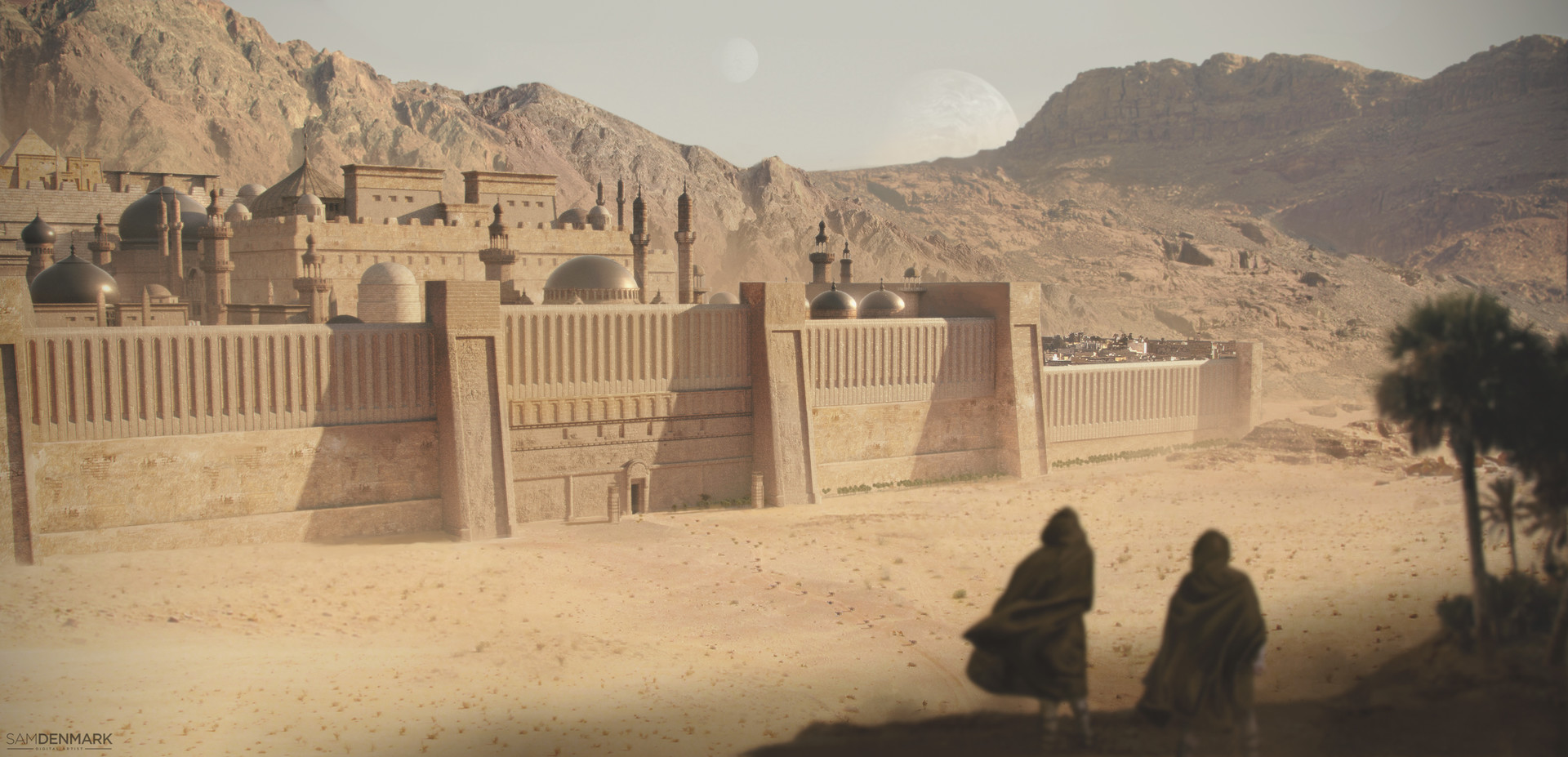
Near the tail of the Great Dune lies the city of genie, Shalilas. The human trader keeps it a secret, but the genie care little if they are found. The gates are living, possessed by sometimes lackadaisical genie. In times of need however, those gate genie respond instantly and resolutely.


The most need for traders lie in the small human population. They all know each other, and most are Wishmakers, paid to request simple wishes. Wishmaking is not lucrative; they each have other reasons for being here, and make a living in other crafts.


Desert City by Sam Denmark

At the outskirts of the city lie mounds of shattered clay and slag metal, the cast-off remnants of genie who moved up in the city or died trying. Living in the refuse are the lowest of genie, poor souls wearing broken scraps as their body. Even those unfortunate denizens know they can rely on Mother Neres, long-standing guardian with an unusually sturdy body of charred oak. She speaks rarely, and spends her time protecting the slums rather than leading the city.


Most genie in the city will inhabit bodies like human-sized dolls of clay or ceramic, or metals such as steel or iron, or even zinc when possible. Very rare bodies will be made from even lighter materials, like glass or rare metals. Heavier bodies are also uncommon, but more as a matter of practicality than expense. It is more common to see a genie in a body that cannot move, such as a pot, lamp, or other artisanal item, with an attendant or companion to carry them.


Fashion covers an eclectic and varied range, as one might expect from the wide variety of possible bodies. The most important traits for genie clothes are convenience and versatility, as the vessel can always be changed for more long-term appearances. In that vein, there's also something of a trend for genies to alter their vessels, bolting on additional parts or carving away small portions. The right shops can offer strange and unique piercings or other strange changes to the bodies of mortal visitors.


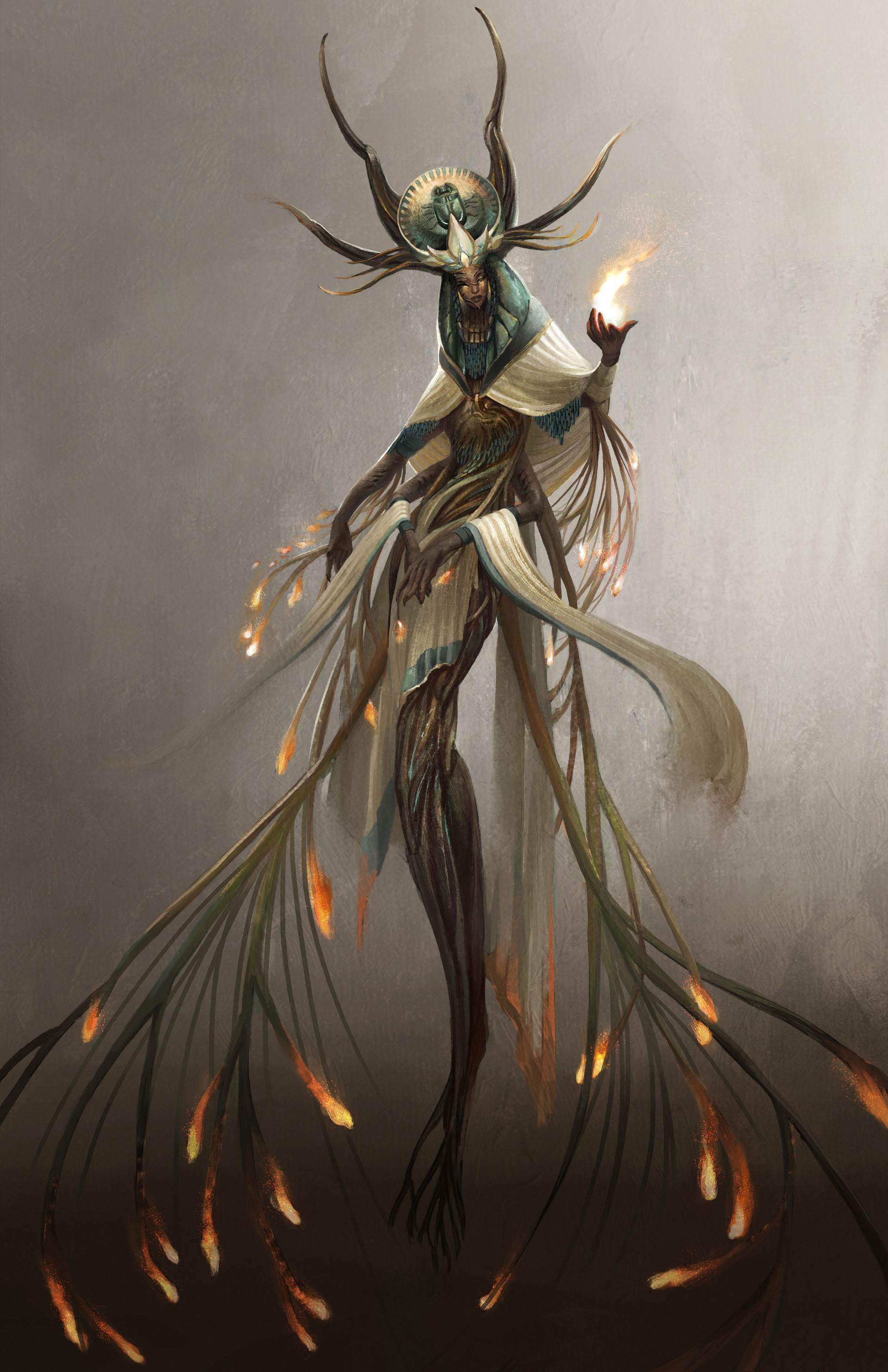
From anywhere in the city, and some ways beyond, one can see its metaphorical center. It is the Green Palace, a gleaming tower of glass holding the city’s greatest elders. Perhaps the most powerful, though not the oldest, is Prinim Veshisk, a massive genie in fine glass. He enjoys his unwieldy, fragile vessel, and forcing slaves to maneuver him. The newest councilor is Toril Syaran, who suspects Prinim may have destroyed a rival on the council, and wishes to expand trade with the mortal world.


The city also relies on the Incense Mines, an ancient buried forest from which all manner of aromas have been gleaned. These scents and the colored flame they produce give the genie incredible sensations, be they euphoric, inflaming, or subduing. At the markets, one can buy such things as stonesmoke cones, fire-dripping sticks, and spiritwalk powder. A hopeless addict to the stonesmoke, Dalifer has spent much time wandering the desert looking for anything to pawn, and if given incense will tell visitors of some of the stranger things out there.


Main Image
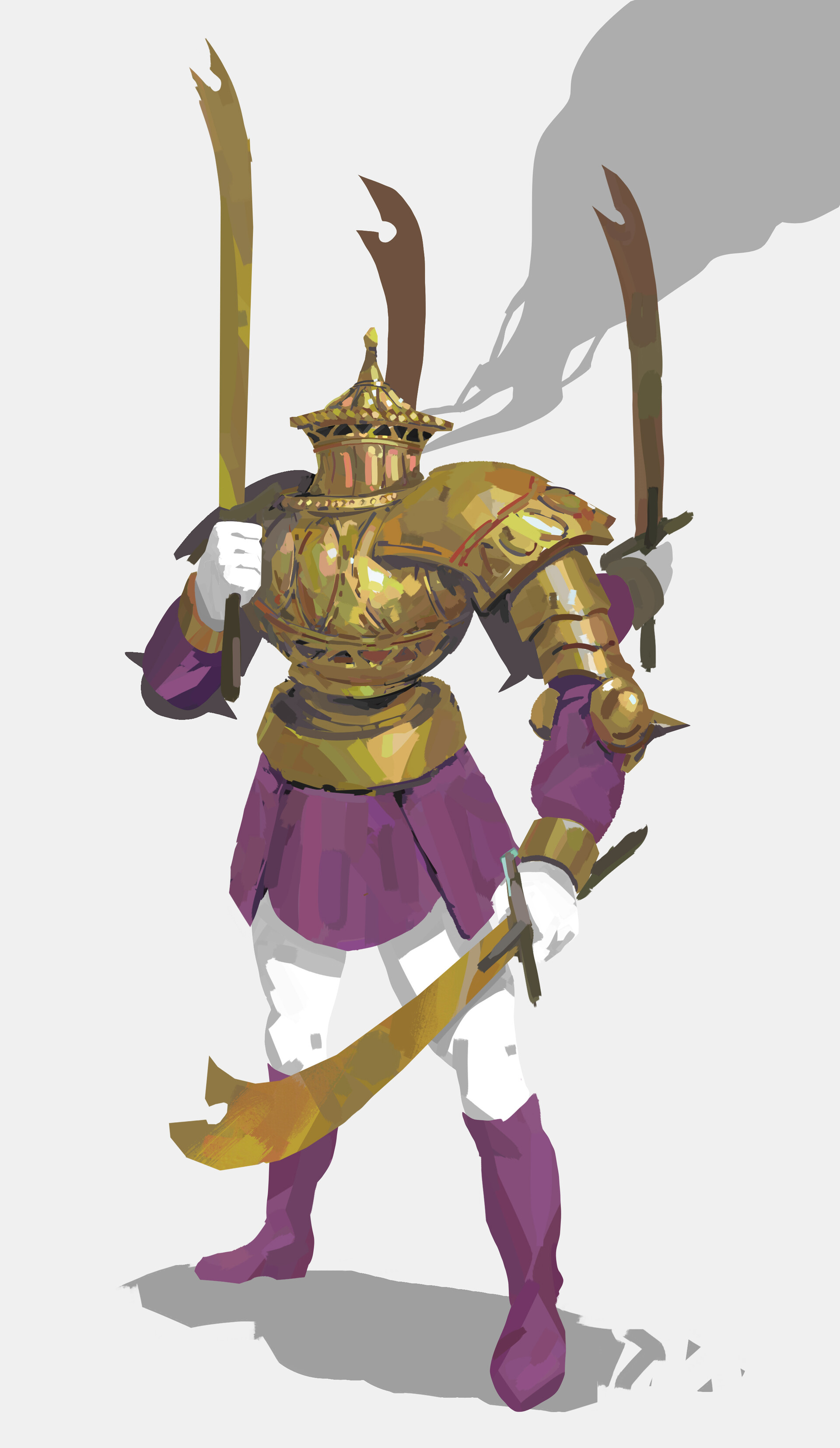
Incense Knight by Hwa Min Jung

Most genie outside the city have been lost for ages, found buried in ancient ruins with little memory of where they originated. Only a few have left the city or been kidnapped, and most end up finding their way to Shalilas eventually. There are only two ways for a genie to truly die, without arcane intervention. Either by the decay of the vessel, to a point of complete incoherence, or by failing to transfer to a new vessel when they may leave their present place. The worst wrongdoers are imprisoned by building a pit like a well, lined with stone and filled with sand to bury the criminal.


Perhaps the largest gathering of genie outside the city are at the sandstone fortress of the Smoke-fist Warriors, an order of veshkin mercenaries who ritualistically burn one of their arms to let a genie inhabit it, granting increased strength and an uncanny ability to fight with two weapons at once. The genie Ryula lives secretly within their order, inhabiting a burnt corpse of unknown origin.


Walking the streets of Shalilas

  1. A young genie approaches carrying shards of pottery, looking frightened. He says his master’s vessel has been shattered, and he needs you to buy him a new one quickly.

  2. A commotion from the gates as a genie rushes into the city, asking for aid in rescuing their fellow’s vessel, a vase which has been captured by bandits in the desert.

  3. Prinim’s procession (or another vainglorious councilor) fills the street, forcing commoners and visitors aside at risk of violence.

  4. A player’s finest weapon catches the eye of a Talmar Fineshadow, a genie adventurer who just returned from the Labyrinth of Glass with plenty of gold and a new obsidian vessel. Talmar wants to buy the weapon, and seemingly won’t take no for an answer.

  5. The group is approached by a genie carrying an empty vessel, handing them a few coins and telling them to make a wish.

  6. A human notices the group and rushes over, offering to sell them snacks. Fruit on a stick, peeled and covered in spicy powder, they are more expensive since human food is uncommon here.


Incense

  1. Stonesmoke cone: a strangely vivid grey incense that produces deep black smoke, and a rich, salty scent. The namesake smoke is rigid, flowing upward regardless of wind or touch, and feels like shifting stone.

  2. Dripfire stick: particularly long sticks of incense that produce a dim orange flame that does not rise or flicker, rather dribbling down from the end. The scent is sweet and spicy, sharp but fading quickly. The flames are not mere liquid, as indeed they weigh nothing

  3. Astral powder: incense dust that creates a strange, misty smoke, wafting and waving in unfelt winds. The scent is slightly minty and makes one feel energized but calm. The sensation is like being outside of one’s body, and it is said that an excessive amount can draw out the soul.

  4. Harmony coil: usually sold in a spiral shape along with instructions on how to light it. The smell is woody with a floral note, and can vary slightly depending on the type, usually enhancing introspection and self-discovery. It is unique for being ignited by sounds, of particular tone and patterns based on the shape of the incense, despite always being the same material. The common spiral is lit with a low whistle.

  5. Midnight pellets: small beads of blue incense that smell tangy and a bit sour when lit, giving mild feelings of energy and preventing all sleep as long as it burns. On a moonless night, the pellets will burn like tiny stars.

  6. Iris oil: debatable as incense, this fluid always seems to be watching, and when burning releases colorful smoke that leaves afterimages and increases sensitivity of body, mind, and spirit. Some say it simply makes people more suggestible.


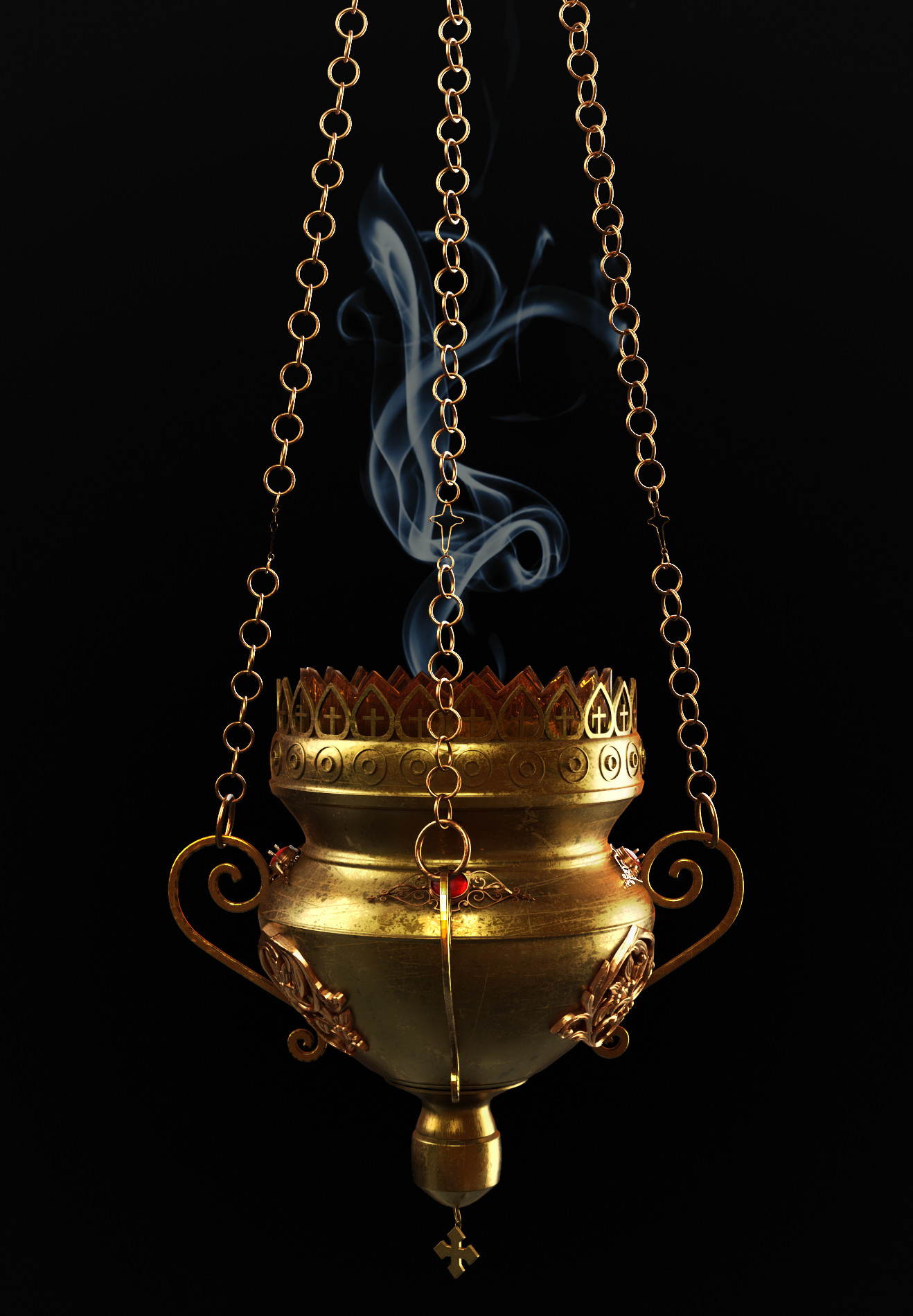
Insense Burner
Gold pot by Sandesh Tuladhar

Dalifer’s trade

  1. A giant made of flame, unnaturally tall and gaunt, striding the desert a short distance to the south. It’s been seen twice, each time at midweek, heading the same direction and leaving a trail of glass footprints.
  2. In the cactus jungle, full of prickling trees and scorpion monkeys, a spiralling pit of carved stone that leads to unknown depths.
  3. A gigantic carapaced serpent, coiled and gleaming in the sun. Dalifer ran before realizing that it hadn’t been moving.
  4. Black sand amid the desert, laid out in a perfectly symmetrical pattern with no one around to have done it. The wind hasn’t picked up since it was spotted, so it may still be there.
  5. Bandits lost in reverie at night, singing and dancing around a fire. They were burning stolen incense, but there were simply too many.
  6. Flipped upside down, a huge statue of a head. Very detailed face and square structure that wouldn't roll on its own. No other parts in view.

Directly connected to the previous post, and also part of the GLOG community city challenge! Other participants include:

Thursday, June 11, 2020

Captured in brass, hidden among sand

Travelers from far off lands, wealthy Veshkin traders sometimes carry vessels that contain only a wise and ancient spirit. These spirits are called Genie, born untold aeons ago and living in forms crafted by flame. Many of them hold long-forgotten secrets and can share this information, and they must grant one wish to a mortal before they may leave whatever body they inhabit. Of course, they can only grant a wish within their power, and if they have found a comfortable vessel they have little need to grant wishes.

Magic Crystal Lamp by Yulia Matveeva

No human knows how new Genie are born, or even if they are. The gollo scholar Myerish claims definitively that there are precisely 888 Genie and that is all that have ever or ever will exist. Others claim that they were created by ancient masters as a precursor to golems, and still others claim that they were an ancient precursor to liches, perhaps even that a lich could become one given the right expertise. A chilling theory, to say the least.


Desire - Ceramics Sculpture by Olja Sofronijevic

The possessed armor Naril has famously guarded Leyler manor for generations. They consider him part of the family, and have even drafted a writ of nobility for him should tragedy befall their house. Travellers in Kajhar sometimes tell of meeting the Smelted Knight, known as Ayan Varim, and sometimes being saved from bandits by the clay warrior. Most veshkin could tell you about Maladesh Shattermouth, the eater, often spoken of in folk tales and nighttime stories to frighten unruly children. Any Genie would caution against such tales, as they know that Maladesh yet remains free.


Guardian Puppet by Raymond Chen